Why Top Singapore High-Performers Sleep More
- Adrian Wesley
- May 5
- 2 min read


Introduction
Four hours. That is the number some of the most celebrated founders and executives have publicly worn like a medal, and for a while, it works. But there is always a price, and high performers are the first to feel it. Judgment slips before energy does, decisions that once felt instinctive start requiring effort, and the edge that drove the early wins begins to dull. Some of the highest performers in the world have figured something out that the hustle narrative never tells you, protecting their sleep is not what slows them down. It is precisely what keeps them ahead.
The Performance Reality
Elite Athletes: Top athletes often aim for 9–10 hours of sleep. For them, sleep is “productive work” where physical repair and hormonal regulation happen. Cutting this window short does not create more time, it silently erodes the quality of every hour that follows.
Top Executives: While some CEOs still claim to sleep very little, leaders like Jeff Bezos (Amazon) and Arianna Huffington (Thrive Global) explicitly advocate for 8 hours to ensure high-quality decision-making. For them, protecting sleep is a leadership discipline, not a lifestyle preference.
Cognitive Accuracy: Developers who lose sleep have been found to introduce twice as many bugs and write 50% less functional code compared to when they are adequately slept. The performance gap is not subtle, it is measurable and entirely consistent.
Why They Sleep More
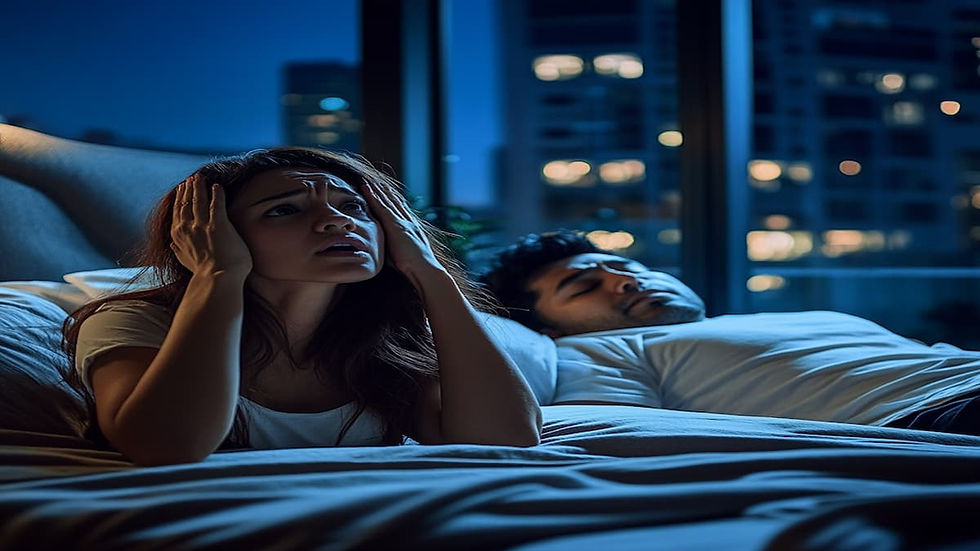
Decision Quality: Sleeplessness impairs the prefrontal cortex, leading to impulsive and risky decisions that high performers cannot afford. Professionals and entrepreneurs who can’t sleep consistently pay for it in judgment long before they notice it in energy.
Emotional Intelligence: Well-slept leaders regulate emotions more effectively, reduce irritability, and manage team dynamics under pressure. Insomnia quietly erodes the interpersonal steadiness that builds professional trust over time.
Memory Consolidation: REM sleep is when the brain files information from the day, turning experiences into usable expertise. Without sufficient REM cycles, even the most motivated high-performer wakes under-performing. This is why insomnia treatment with a qualified adult Sleep Coach focuses on protecting sleep architecture, not just adding hours. Structure matters as much as duration.
The Singapore Context
In Singapore, where average sleep duration sits at around 6.5 hours on weekdays, prioritizing sleep is increasingly seen as competitive leverage rather than a luxury. As wearable use has surged to 65% in 2026, more high performers are using data to prove that sleeping more directly correlates with higher daily output. A well-regulated circadian rhythm is a measurable performance asset, and professionals and entrepreneurs here are finally treating it like one. The shift is cultural as much as it is scientific: the most ambitious people in the room are no longer the ones running on empty.
Conclusion
Some of the highest performers are not sleeping less than everyone else, they are protecting their sleep more deliberately. If your nights are compromised, working with a qualified Adult Sleep Coach through Coaching Singapore builds a strategy personalized to your schedule and performance goals. The data is clear, the science is settled, and the competitive case has never been stronger. Your edge starts the night before. Take action today.
Adrian Wesley is an Adult Sleep Consultant for Coaching Singapore.
Fix your sleep at Coaching Singapore

Comments