What Your Immune System Does While You Sleep
- Adrian Wesley
- May 5
- 3 min read


Introduction
You power down your laptop, finally make it to bed, and assume that productivity has paused until morning. But one of the most consequential biological operations in your body is only just beginning. While your conscious mind steps aside, your immune system moves into its most active phase of the 24-hour cycle, repairing tissue, cataloguing threats, and manufacturing the very proteins that determine how well you resist infection. For driven expat professionals and entrepreneurs in Singapore who treat shortened sleep as an acceptable trade-off, understanding what is lost during that time changes the calculation entirely.
Cytokines: The Night-Shift Workers You’ve Never Heard Of
The central mechanism linking sleep and immune function is cytokine production. Cytokines are small signalling proteins, some pro-inflammatory, some regulatory, that coordinate the body’s defence and repair responses. During deep slow-wave sleep, the body releases a surge of cytokines, including interleukin-1 and tumor necrosis factor, that actively promote immune surveillance and cellular recovery. This is not background maintenance. It is targeted, timed biological activity that the body schedules for when you are asleep because that is precisely when the physiological conditions, lowered core temperature, reduced metabolic demand, hormonal alignment, make it possible.
How the Circadian Rhythm Governs Immune Timing
This process is not random. The circadian rhythm acts as the body’s master scheduler, synchronizing cytokine release, immune cell activity, and inflammatory response to specific windows of the night. T-cells, a class of white blood cell central to identifying and destroying pathogens, show peak activity during sleep, guided by this internal clock. When the circadian rhythm is disrupted through irregular schedules, shift-like working hours, or chronic sleeplessness, immune timing desynchronizes. The cells responsible for detecting and responding to infection are no longer operating at full capacity when the body needs them most.
What Chronic Sleep Deprivation Does to Infection Resistance
Research is unambiguous on this point: people sleeping fewer than six hours per night are significantly more susceptible to viral infection than those achieving seven or more. In one landmark study, participants with shorter sleep duration were nearly four times more likely to develop a cold after exposure to the rhinovirus. For high-performers in high-contact environments, client meetings, conference rooms, flights, this is not an abstract statistic. REM sleep, concentrated in the second half of the night, also plays a specific immune role: it supports the production of adaptive immune memory, helping the body retain and deploy its response to previously encountered pathogens. Cutting the night short disproportionately trims this window, quietly degrading immunological memory over time.
When You Simply Can’t Sleep and the Cost Compounds
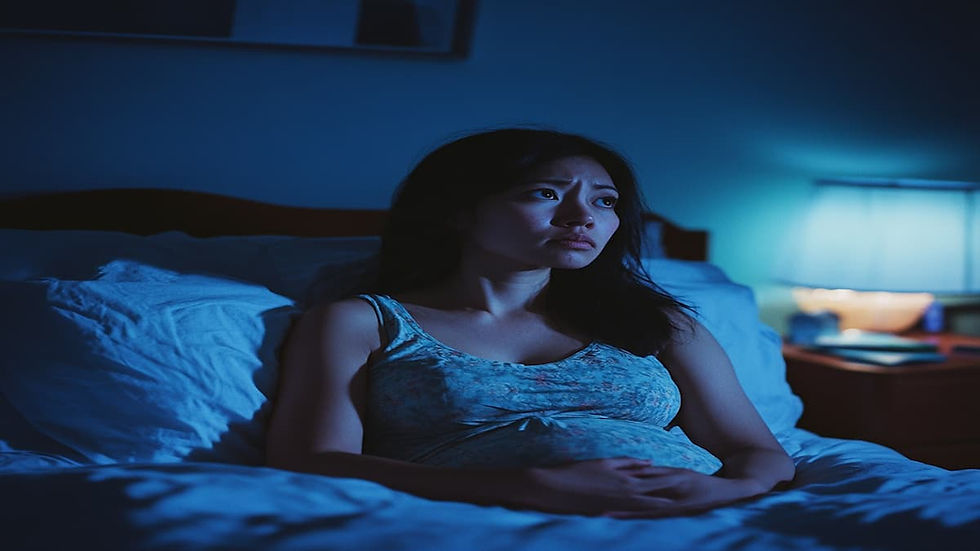
The professional and entrepreneurs who lies awake replaying the day’s decisions, convinced they can’t sleep despite genuine exhaustion, is not just losing productive hours. Each disrupted night represents a missed cytokine production window, a shortfall in T-cell activity, and a reduction in the inflammatory regulation that keeps latent vulnerabilities in check. Insomnia is not simply a performance issue, it is a physiological one, with measurable downstream consequences for how effectively the body identifies, responds to, and recovers from immune challenges.
The Solution: Addressing the Architecture, Not Just the Hours
Insomnia treatment that looks at the full picture does not just add hours to the night, it rebuilds the structural integrity of the sleep that occurs within them. A qualified Adult Sleep Coach through Coaching Singapore conducts a comprehensive assessment of your sleep architecture, circadian alignment, environment, mindset and lifestyle demands etc., then builds a personalized strategy that restores the deep, sequenced nights where cytokine production and immune repair can actually do their work. This is the difference between understanding the problem intellectually and resolving it at the level where it lives.
Conclusion
The nights you sacrifice do not simply disappear. They accumulate, in susceptibility, in recovery time, in the slow erosion of the biological systems working hardest on your behalf. The good news is that this is reversible. The immune system responds quickly to improved sleep architecture, and the professionals and entrepreneurs who commit to rebuilding their nights reliably report fewer sick days, faster recovery, and a baseline vitality that no supplement or morning routine can replicate. Your immune system has been showing up for every night shift. It is worth making sure the conditions are in place for it to do its best work.
Adrian Wesley is an Adult Sleep Consultant for Coaching Singapore.
Fix your sleep at Coaching Singapore

Comments